

Es la especialidad Odontológica que estudia la prevención, diagnóstico y tratamiento de las enfermedades y condiciones que afectan los tejidos que dan soporte a los órganos dentarios y a los substitutos implantados.
¿Qué es la enfermedad Periodontal?
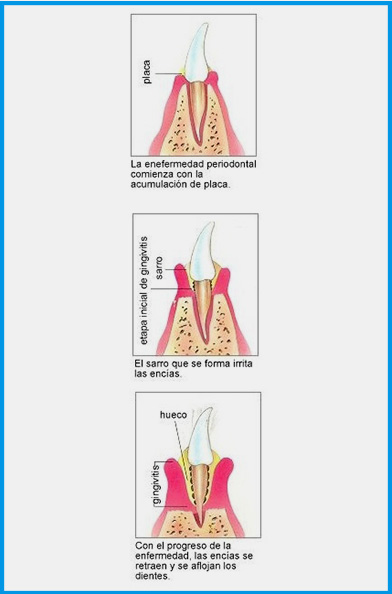
Es una enfermedad causada por bacterias que afecta a las encías y a la estructura de soporte de los dientes. Estas bacterias provocan que las encías se desprendan de los dientes y se forman bolsas periodontales, las cuales se llenan de más toxinas y bacterias. Conforme la enfermedad avanza, las bolsas se extienden y las bacterias y toxinas penetran más y más hasta que el hueso que sostiene al diente se destruye ocasionando que el diente se quede sin sostén o sea necesario extraerlo.
Enfermedades periodontales
Las principales enfermedades periodontales que afectan a la dentición son la PERIODONTITIS Y GINGIVITIS.
GINGIVITIS: La forma menos severa de la enfermedad periodontal. Provoca que las encías se pongan rojas, inflamadas y que sangren fácilmente. La gingivitis es reversible si es tratada profesionalmente y con un buen cuidado oral en casa.
PERIODONTITIS LIGERA, si la gingivitis no es tratada, puede progresar hacia una periodontitis. En esta etapa la enfermedad periodontal empieza a destruir el hueso y el tejido que sostienen a los dientes.
PERIODONTITIS MODERADA A AVANZADA: la periodontitis moderada a avanzada se desarrolla si las dos anteriores no fueron atendidas. En esta etapa hay una extensa pérdida de hueso y tejido.
PERIODONTITIS JUVENIL: La periodontitis juvenil localizada (PJL) ocurre en adolescentes y se caracteriza por la rápida pérdida del hueso alrededor de los dientes permanentes. Se caracteriza por inflamación marcada y fuerte acumulación de placa y sarro. Las bolsas se pueden formar alrededor de los dientes afectados, llenándose de infección. Si no es tratada oportunamente, la infección puede conducir a la pérdida de hueso severa.
Síntomas y señales de alerta
• Encías blandas, inflamadas o rojizas
• Sangrado al cepillarse o al pasar el hilo dental
• Encías que se desprenden de los dientes
• Dientes flojos o separados
• Pus entre la encía y el diente
• Mal aliento continuo
• Cambios en la mordida
• Cambio en el ajuste de dentaduras parciales
En algunos casos la enfermedad periodontal puede progresar sin ningún síntoma ni dolor.
Prevención y diagnóstico de la enfermedad Periodontal
• Cepillado apropiado dos veces al día
• Uso de hilo dental diariamente
• Limpieza profesional, cada tres o seis meses, donde se removerá la placa y el sarro en áreas difíciles de alcanzar
Enfermedad Periodontal y Enfermedad del Corazón
Actualmente los científicos creen que cuando a un individuo se le diagnóstica la enfermedad periodontal, una tarea tan normal como la de masticar o cepillarse puede lastimar el tejido de la encía, permitiendo que las bacterias entre al flujo sanguíneo estas se adhiere a las placas grasas y contribuyen a la formación de coágulos. Se ha descubierto que las personas que sufren de enfermedad periodontal corren doble riesgo de contraer la enfermedad de las arterias coronarias, en comparación con aquellos que no la sufren. La enfermedad periodontal representa un importante factor de riesgo para la enfermedad del corazón.
Enfermedad Periodontal y Bajo Peso en Nacimientos Prematuros
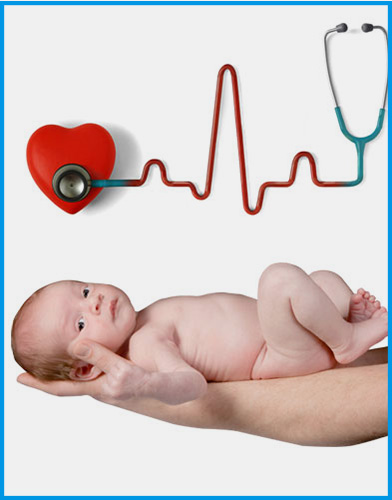
Las mujeres embarazadas son propensas a la enfermedad periodontal (de las encías) por los cambios hormonales, y se han descubierto que puede ocasionar un mayor riesgo de tener bebés de bajo peso debido a nacimientos prematuros. Al ser una infección bacteriana, puede desencadenar un incremento en los niveles moleculares de PGE y TNF, provocando así un nacimiento prematuro.
En un estudio sobre infección periodontal en mujeres embarazadas o en postparto, aquellas con la enfermedad periodontal tuvieron más nacimientos prematuros que aquellas sin la enfermedad.
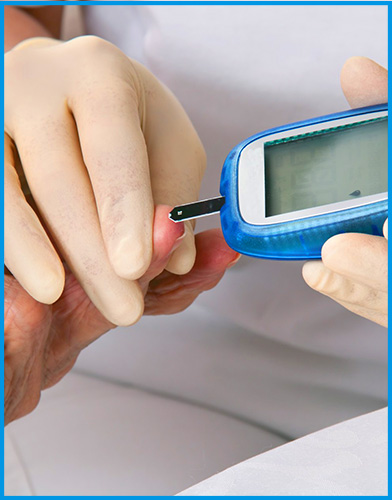
Los hispanoamericanos y los cuidados nacimientos prenatales La incidencia de nacimientos prematuros de bajo peso entre las mujeres hispanoamericanas aumentó a pesar de la nueva tecnología y la ciencia, los estudios muestran que los nacimientos prematuros de bajo peso pueden estar ligados a la enfermedad periodontal. Enfermedad Periodontal y Diabetes La conexión entre la enfermedad periodontal y la diabetes está muy documentada, se ha descubierto que la enfermedad periodontal se encuentra mayormente en diabéticos que en personas no diabéticas, quizás se deba a que los diabéticos son más susceptibles a contraer infecciones, es un hecho que los diabéticos pierden más dientes que los no diabéticos y que la enfermedad periodontal puede predisponer o exacerbar la diabetes. Los hispanoamericanos y la diabetes Las investigaciones han demostrado que la diabetes se presenta doblemente en adultos hispanoamericanos (de 20 años para arriba) que en americanos caucásicos.

 contacto@implantoperio.com
 (442) 225.3873 y (442) 279.9586
© Implantoperio 2026. Aviso de privacidad Site by Ja! Estudio.
